In trading, there aren’t that many situations you can rely on. And if you want to grow a small account, you need entries with a high probability of working.
To make it easier for you, I’ve put together my 3 strongest entry points. All three use the same candlestick pattern, so let’s learn it first.
The base pattern
Description: 3 or 4 bars whose opens and closes are at roughly the same price. The signal bar must close above or below the previous one, depending on the type of pattern (buy or sell). In my materials I call it the GPR pattern.
Once you’ve memorized it, all that’s left is to find the conditions to apply it. They’re simple: perhaps you didn’t pay attention to them before. In every combination, the entry is made only on the pattern’s signal candle.
Entry point #1
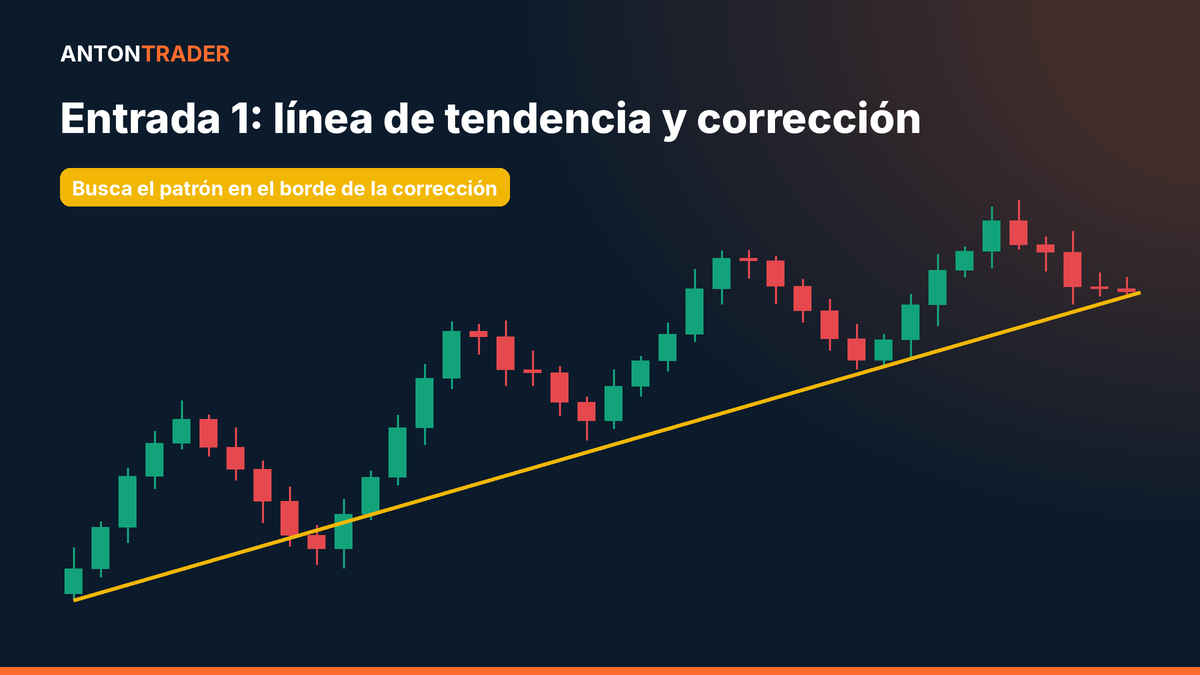
You need a sloping trendline drawn through the nearest extremes and the last correction wave. At the edges of that correction, we look for the pattern in the direction of the trendline.
Entry point #2
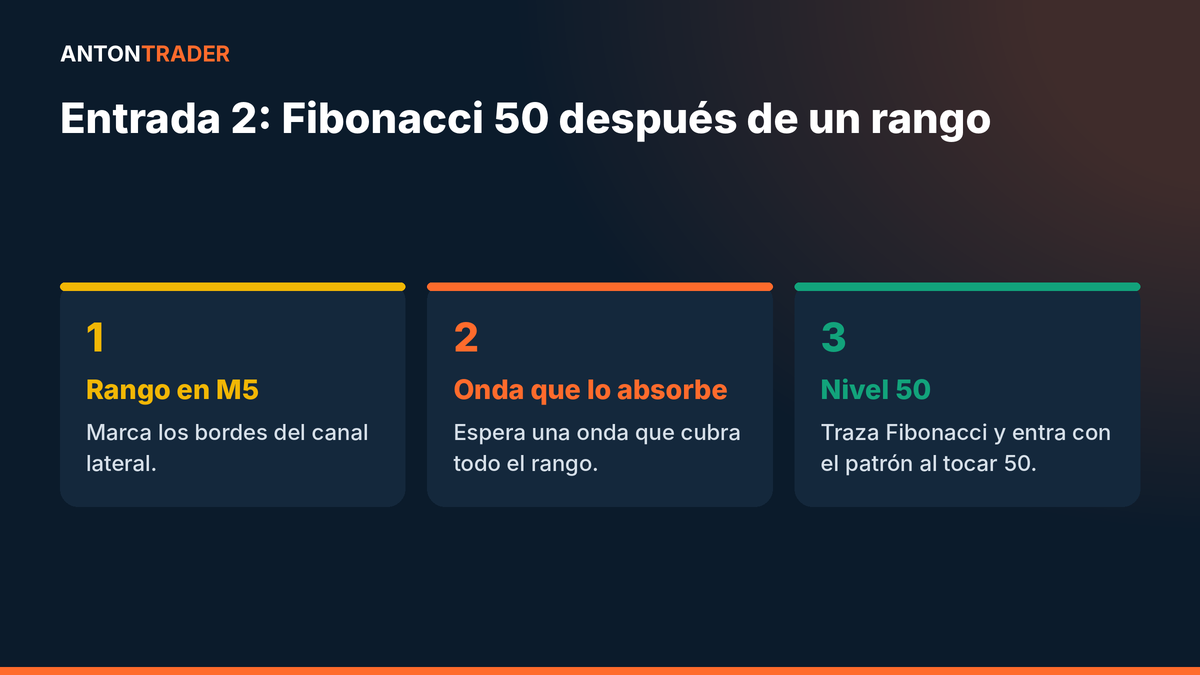
Here it’s best to switch to the 5-minute chart. Look for a range zone (when price moves in a horizontal channel), mark its boundaries, and wait for a wave that completely absorbs it. Draw the Fibonacci grid over that wave and, when price touches the 50 level, enter in the direction of the wave with the pattern.
Entry point #3
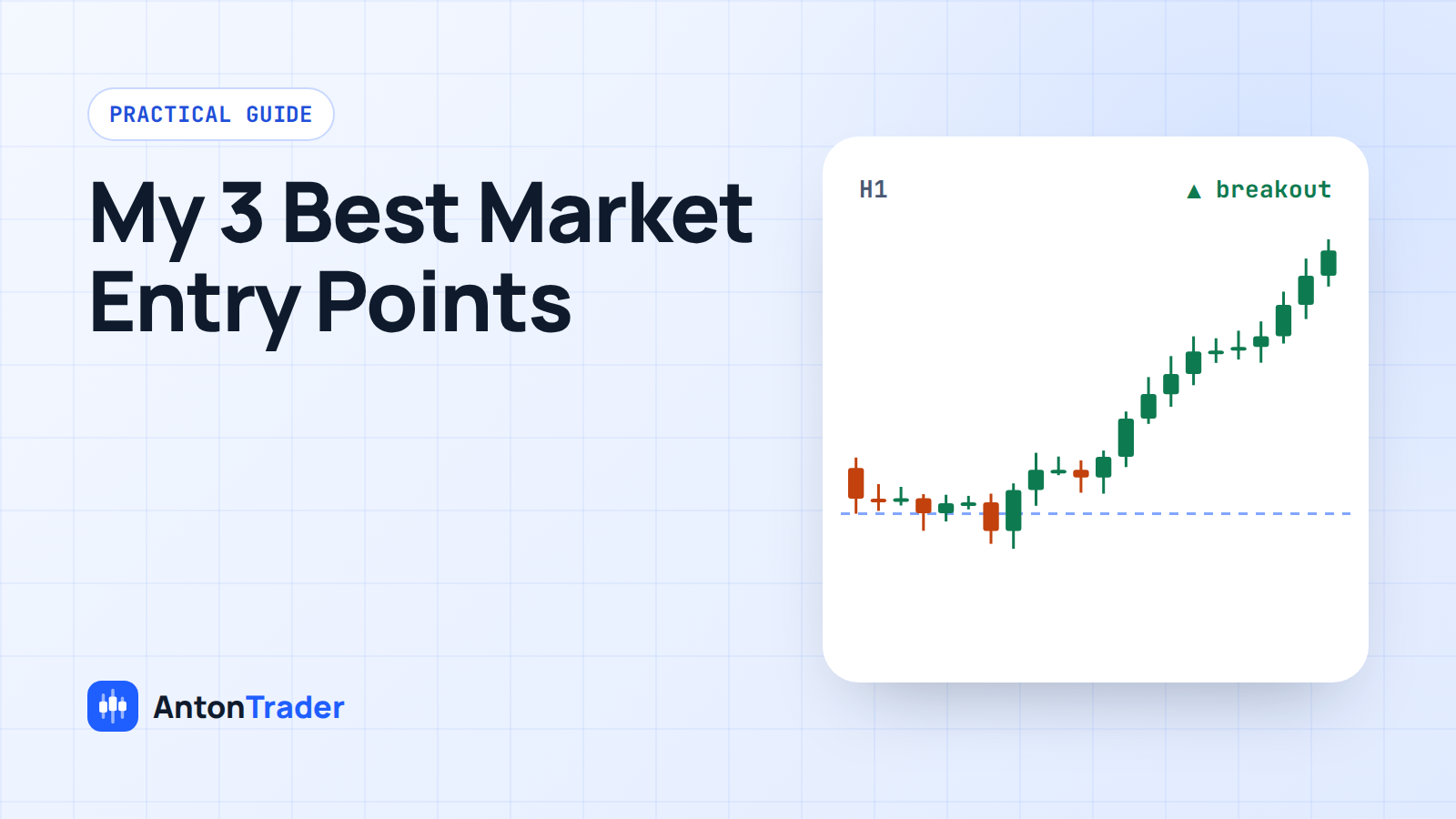
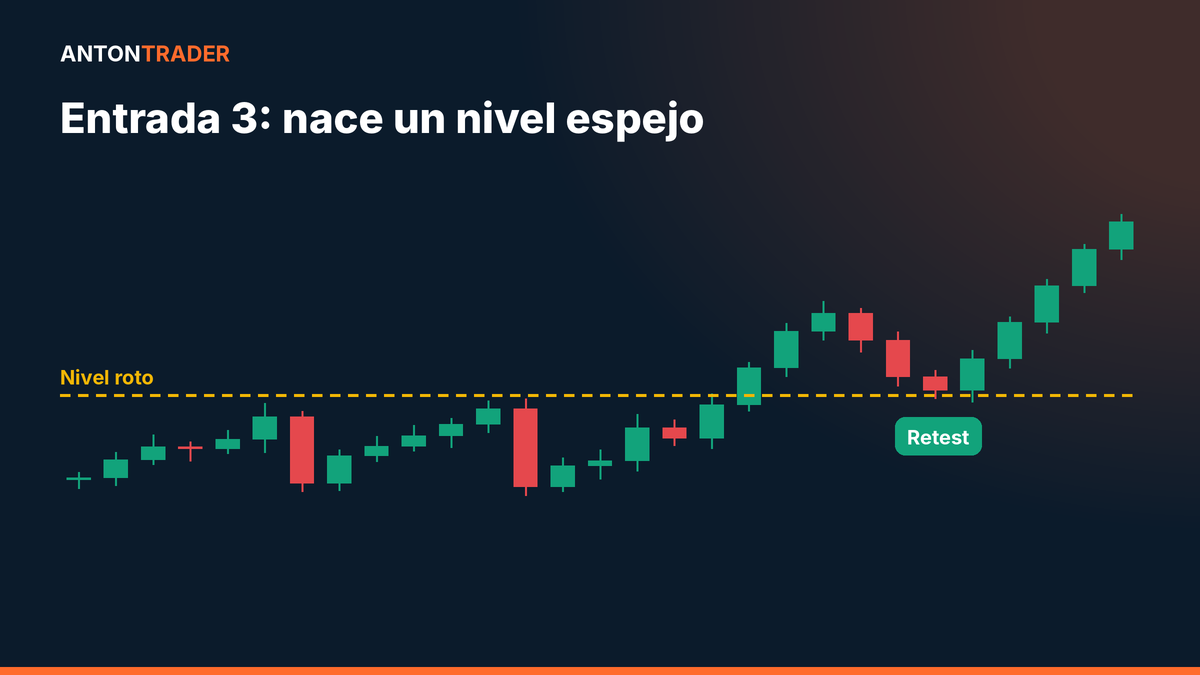
On your chosen timeframe (from M5 to H1), draw levels through the extremes that are truly visible. Then wait for the level to break and, if price returns to it, take the trade with the pattern, which will appear right where the new trend move begins. In practice, you’re watching a mirror level being born.
No entry point works every time. Use a stop loss on every trade, risk no more than 1% of your capital, and practice on a demo account first.